
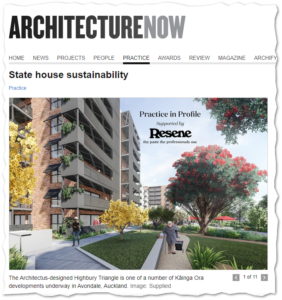
Kāinga Ora’s priorities for New Zealand social housing were laid out in a recent detailed article in Architecture Now, which is worth reading in full. It charts the agency’s journey toward building very high-performance homes, right up to Passive House standard, and slashing embodied carbon. Sustainable Engineering has completed pre-construction (design stage) review and approval for Nga Kainga Anamata and …
Passive House social housing transformative for NYC tenants
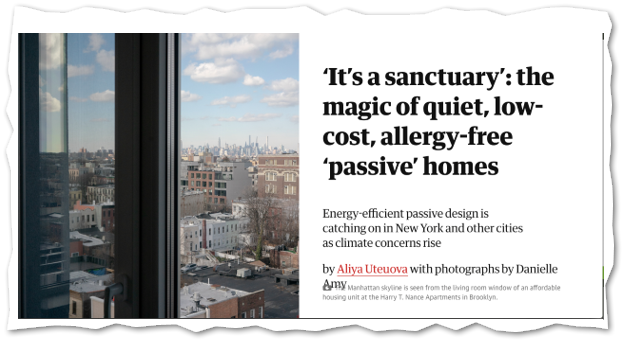
Passive House social housing in New York City is taking off, according to this Guardian feature story. Two things stand out: the extent of the uptake (dozens of affordable Passive House developments are currently underway throughout the city) and the way developers and occupants are describing the benefits. It’s great language I will remember when I’m describing the “why” of …
Social housing, re-imagined
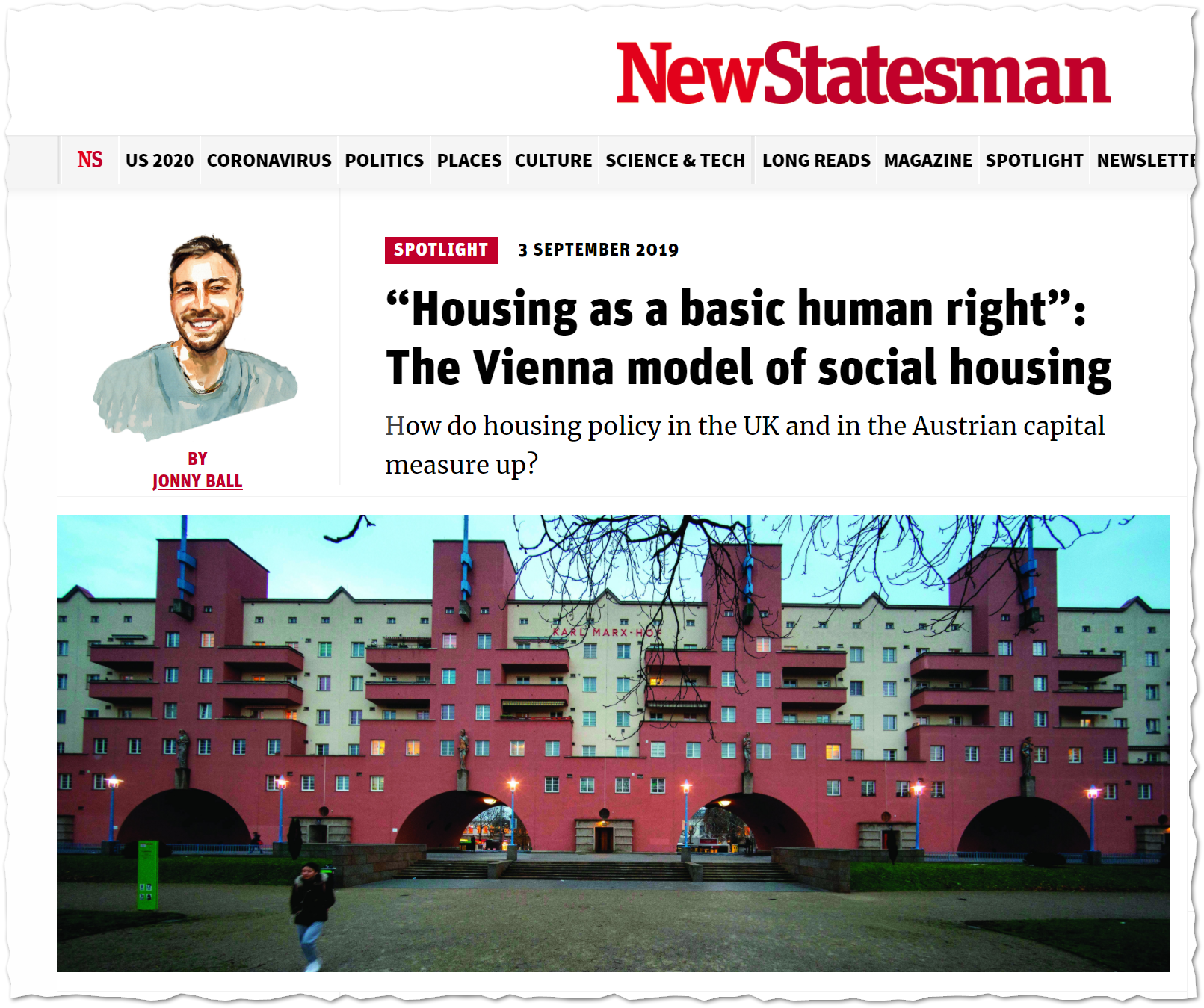
This analysis from The NewStatesman, comparing Vienna’s tradition of social housing to the UK, is a concise and insightful account and I recommend you go and read it in its entirety. Vienna’s accomplishments are enough to make millenials shut out of the home ownership in New Zealand weep. For all of us, it’s a stark reminder that there are other …
Social housing can be very good and not cost more (it’s proven)

The first time you do something, it takes longer. If you’re paying staff to do it, it costs more again. If you import just one new building component and you have to explain to Building Code officials why it’s so very much better than the crap considered an Acceptable Solution and how they should allow your project to include it, …
Social housing can be this good

Exeter, in England’s south-west, is blazing a trail for Passive House social housing. Its Chester Long Court, 26 high-quality, affordable homes built to the Passive House standard, has won design awards (along with, I expect, abiding appreciation from those who live in them). The Council’s goal was to create apartments for their over-60s social housing tenants. By downsizing, larger Council homes …
New England delivers PH social housing

Here’s an excellent discussion of the overall benefits to the tenants of this social housing project for low-income tenants in a high-cost area. It’s a six-story building with 98 units in Cambridge, Massachusetts. Plus, it spells out the benefits to society of building right. “In each case, the goal is to give heating and cooling systems very little to do. …
Passive House social housing just got affordable (even on a narrow ‘first costs’ basis)

A small line tucked away in the Healthy Homes Standard, which came into law in May this year, has the potential to bring big benefits to some of New Zealand’s most vulnerable people, those renting social housing. Its significance is only just being recognized. Private landlords of single-family homes can have a heat pump installed in the lounge of their …

2019 October 16 The Fifth Estate: Passivhaus Social Housing Project Wins Stirling Prize For Architecture
Great article by Australia writer David Thorp on a Passive House social housing project in the UK. Delightful, lovely, socially connected and award-winning Passive House homes. “Mikhail said that he hopes this will give a new dynamic to the construction of council housing in the UK. “At this time when we have a housing and climate change crisis we need …

29 July 2019 RNZ’s Eleisha Foon: Conditions at social housing place risk tenants’ health – expert
Poor design means your home is cold, damp and mouldy even with a high power bill … here is some bubble wrap for your windows. That seems like a joke but it is reality for many New Zealand tenants. Poor design of buildings is a legacy – just one we don’t want to have. “It’s cold enough to freeze your …