
On a recent project, a builder asked if we needed to upgrade the site’s existing electrical supply for a larger, all-electric home. The first reaction in our industry is to assume more equipment means paying for a supply upgrade—often jumping from single-phase to three-phase power here in Aotearoa New Zealand. But if you plan thoughtfully, you might not need to.
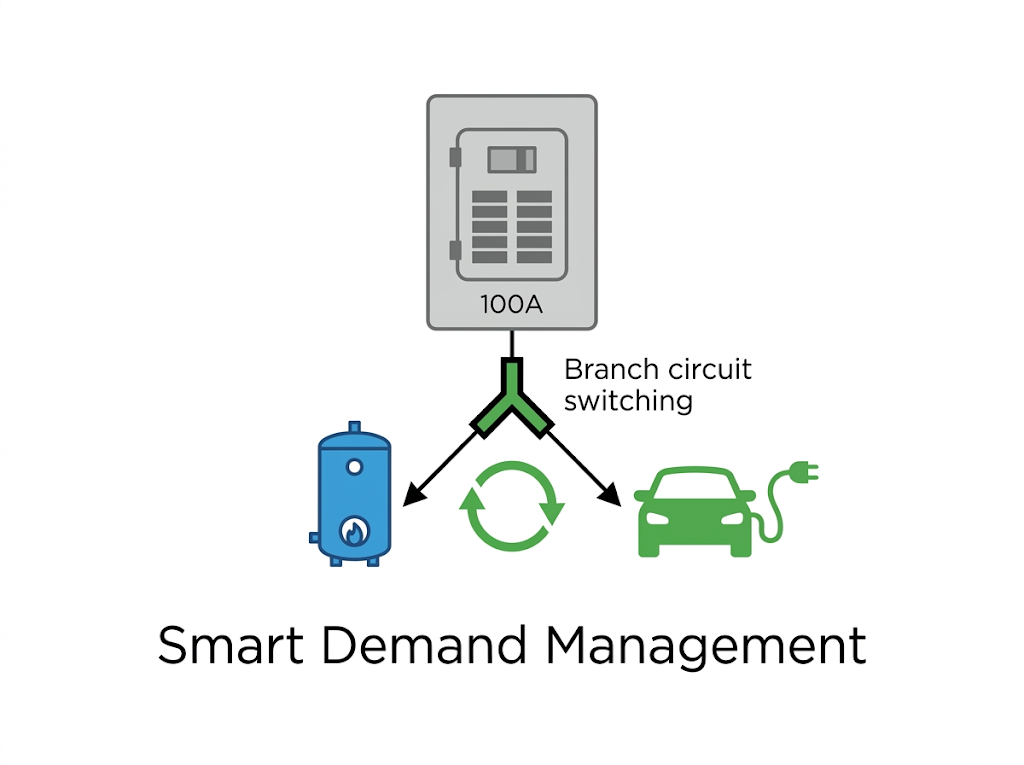
By applying “Power Efficient Design” (PED) principles, you can manage peak demand on site so the building stays safely within its existing supply limits. First off, a Passivhaus envelope flattens space heating / cooling spikes by reducing load. From there, you add a bit of smart load management so the heat pump water heater isn’t running at the exact same moment the EV is charging. Controlling those simultaneous peak loads keeps initial capital costs down and avoids higher ongoing line charges for your client.
The main hurdle right now is skill and equipment rather than regulatory lag. While Energy Management Systems (EMS) handle load control easily, using EMS often still requires more (or different) skills than your electrician is used too. Even so, keeping power efficient design in your toolkit is a straightforward way to save your client money and avoid wasting resources on unnecessary grid infrastructure.
This guide from the Community Energy Association outlines Power Efficient Design (PED) strategies to help residential buildings handle electrification without requiring costly electrical service or panel upgrades. It covers peak load reduction, Energy Management Systems (EMS), and navigating code requirements and variance pathways.
Revised text slightly 26Sep2026 to clarify PH reduces loads and this makes this all work better.